AH-64 systems deep dive
What the real Apache's sensors, pylons and engines actually do, and how the studio compressed a fifty-million-dollar war machine into a three-gigabyte download.
Players ask why our Apache behaves the way it does about once a day. Fair question. The real airframe is a study in redundancy and spite: it was designed to take hits, keep flying, and make the hits regret themselves. This is the honest account of which real systems made it into the game, which got compressed, and which we left on the whiteboard.
The sensor suite
The real Apache carries a Target Acquisition Designation Sight and a Pilot Night Vision Sensor, slaved to the crew's helmets so the gun points where the gunner looks. Our version keeps the look-slave logic: in cockpit view, the 30mm gun tracks your head-tracking input or right thumb with the same lag curve as the real turret.
Radar warning receivers got compressed from four quadrant antennas into a single directional indicator. A real RWR tells you exactly which bearing a lock comes from. Ours gives you a hemisphere, because a phone screen has only so much room and most pilots fly in third person anyway.
Pylons and the payload table
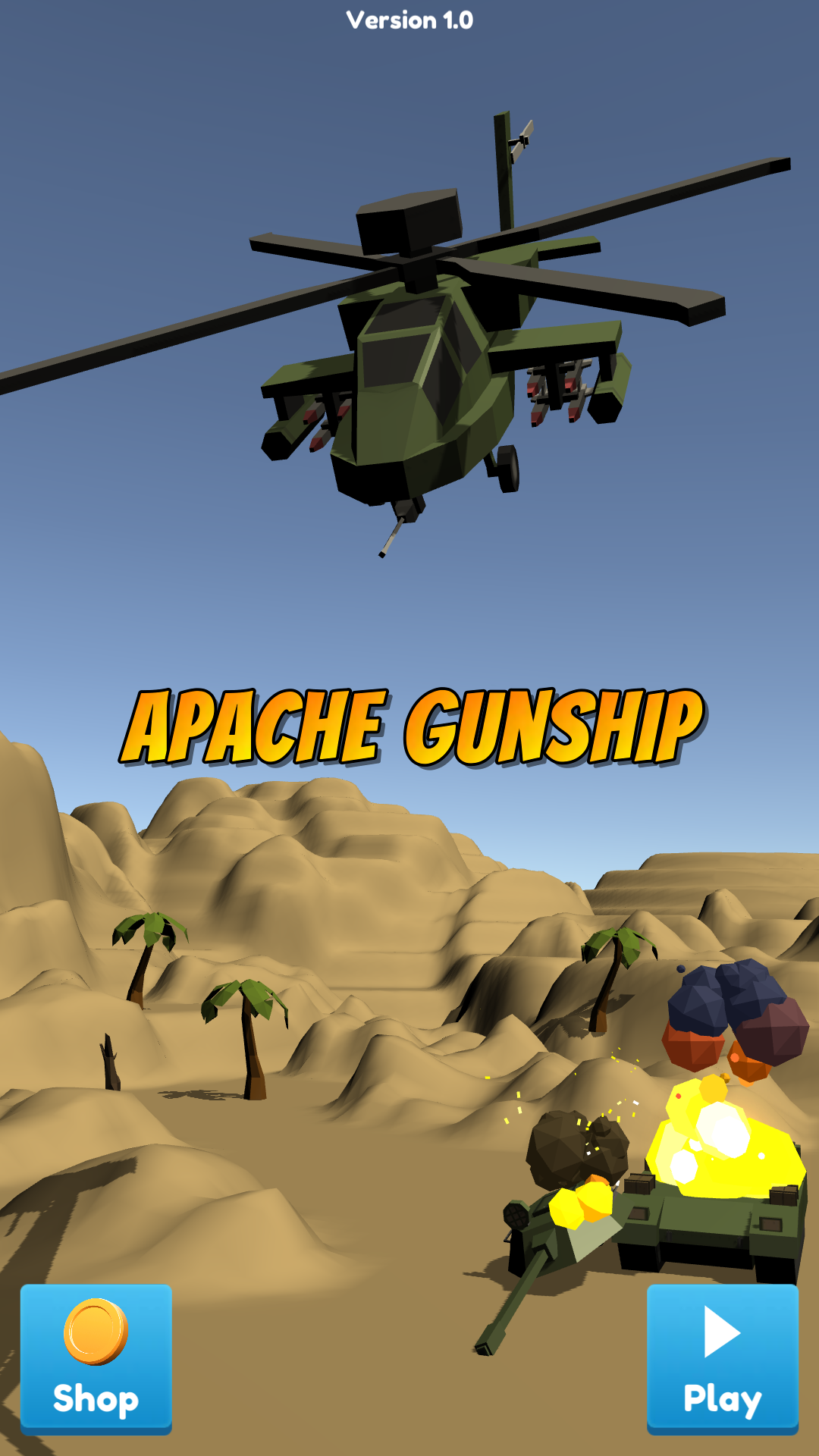
Six hardpoints per airframe in the game, matching the real stub-wing layout plus the fuselage stations we invented for the tactical bay. Hellfires occupy the outboards in matched pairs, just like the real load plan, because asymmetric missile weight actually affects roll in our flight model.
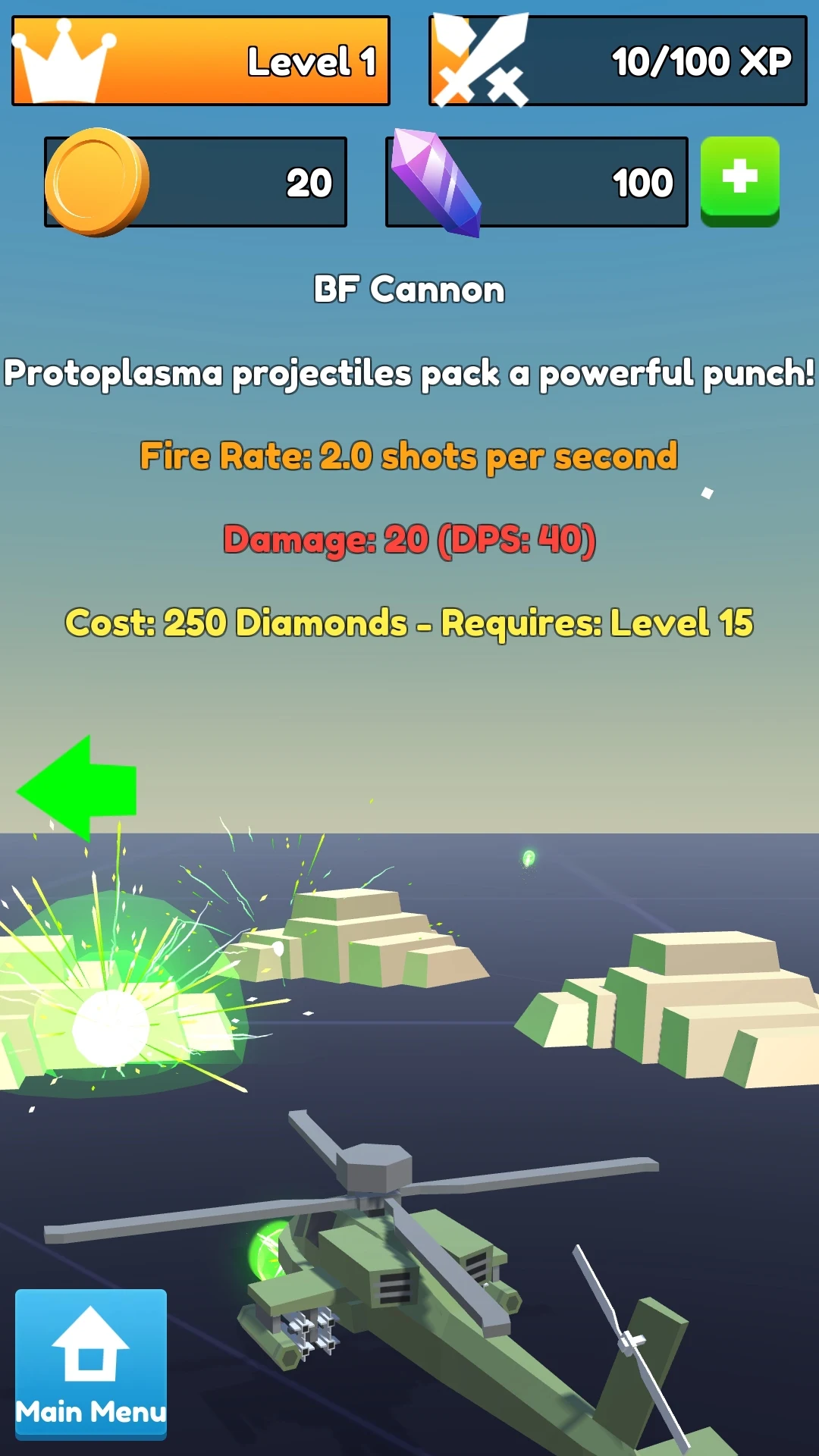
The 30mm chain gun carries 1,200 rounds in the real ship. We give you 800, because telemetry showed that real-capacity ammunition let pilots hold the trigger through entire missions. Scarcity teaches marksmanship.
We don't simulate the whole machine. We simulate the parts of the machine a pilot argues with.
Twin engines, real moods
The T700 turboshafts got the most love. Spool lag, torque ceiling, thermal derating and single-engine emergency performance are all simulated. Lose one engine to a lucky hit and the game doesn't kill you; it hands you a very interesting flight home.
What we skipped: the auxiliary power unit, the fire suppression bottles, and most of the hydraulic redundancy. A mobile session can't hold that many failure states without becoming a checklist simulator.
What we left out, and why
Startup procedures, weapons arming sequences and radio freqs all got cut. A sortie in our game wheels up in ninety seconds because that's what a lunch-break session allows. The trade is deliberate: we chose to spend the complexity budget on flight physics and threat behaviour instead of switch-flipping.
If you want the full-systems experience, real sim communities exist for that. Our job is to make the parts that fit in a pocket feel honest.
Arsenal Squad
Weapons, countermeasures and effects team. Keeps a spreadsheet of every boom since 2021.
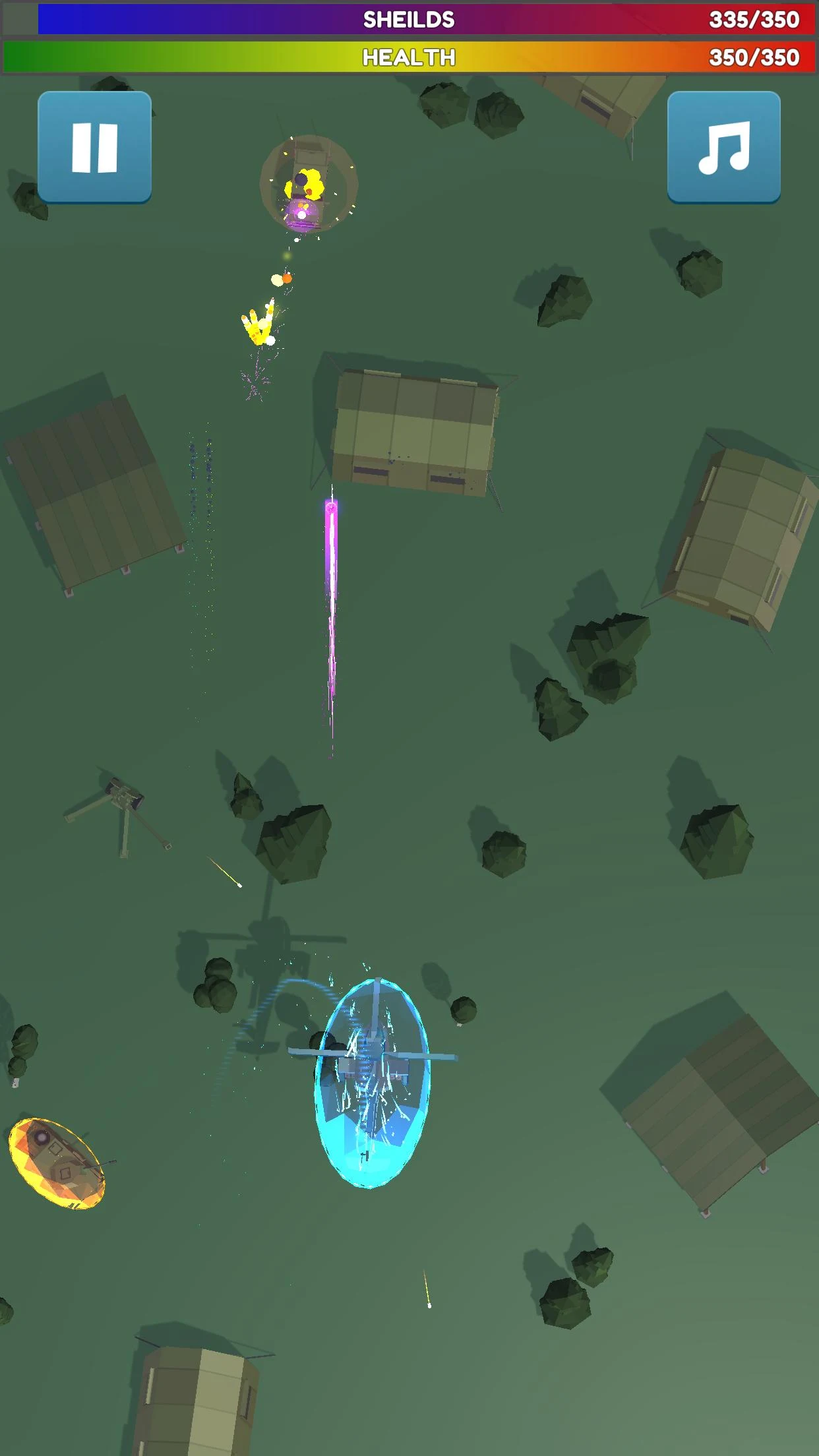
Stylised but systemic. Twelve damageable zones each affect a real system: tail panel hits reduce pedal authority, wing hits reduce pylons, engine hits cut power proportionally.
Telemetry showed full loads let pilots spray entire missions. The reduced count forces shot discipline, which is the skill the gun is supposed to teach.
Hellfire and Hydra are generic military terms in common use. Our naming follows the game's own doctrine where the legal team asked for distance.
One email a week, straight from the hangar
Patch notes, tactics and community ops every Friday. Subscribe on the dispatch page or grab the game free on Google Play.